White Star Line
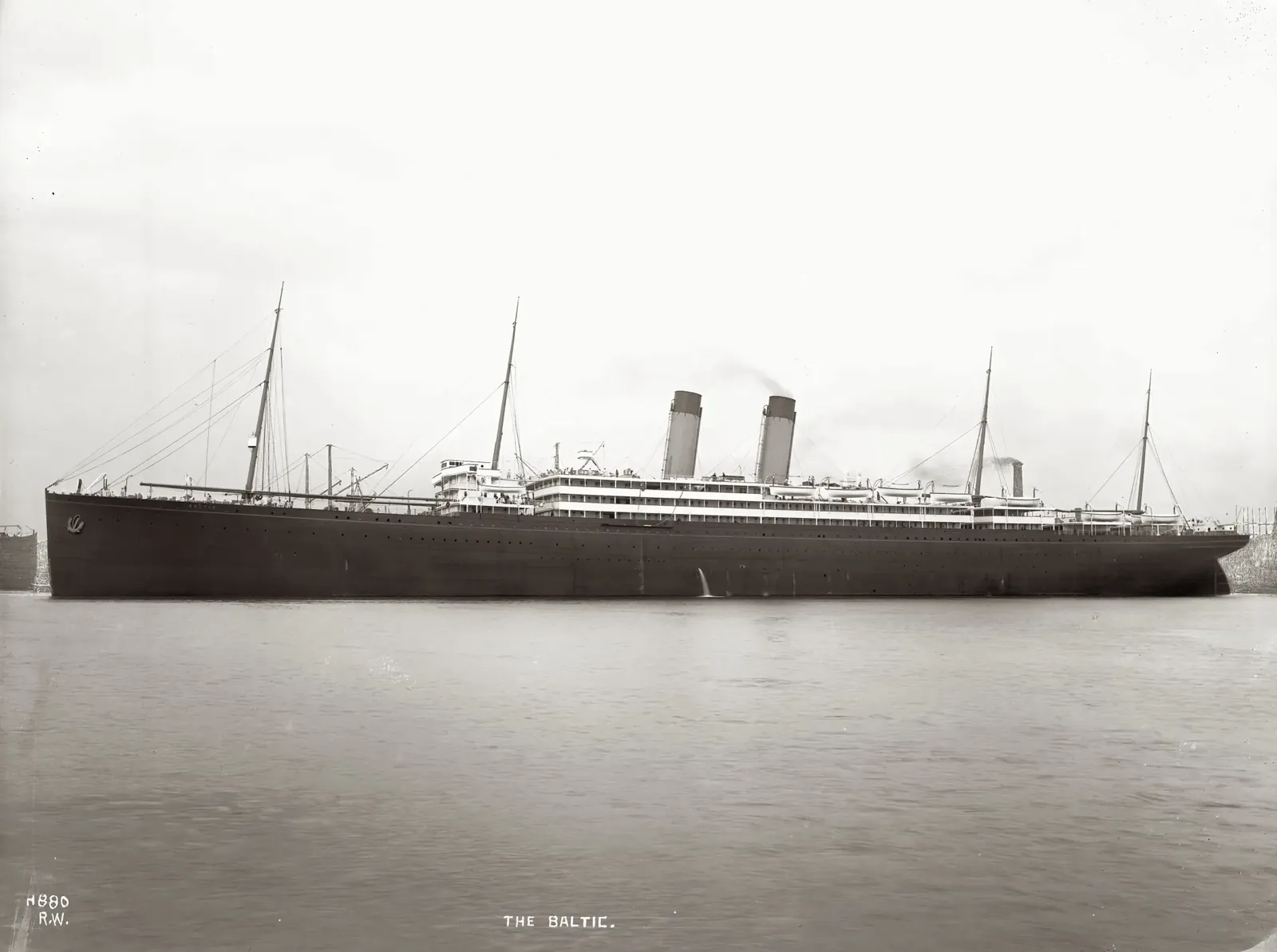
RMS Baltic
Ocean liner that operated by white star line from 1904 and 1932
History
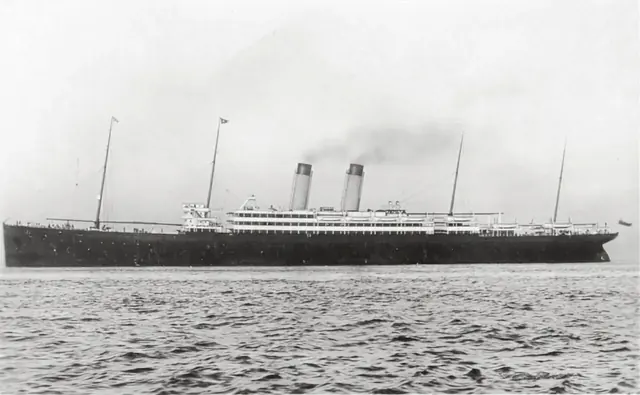
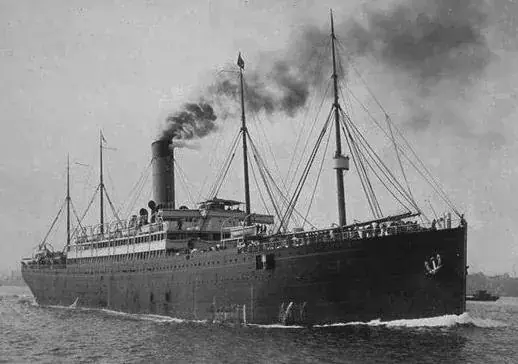
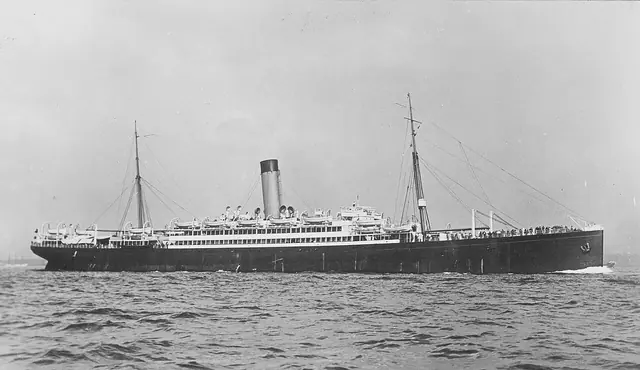
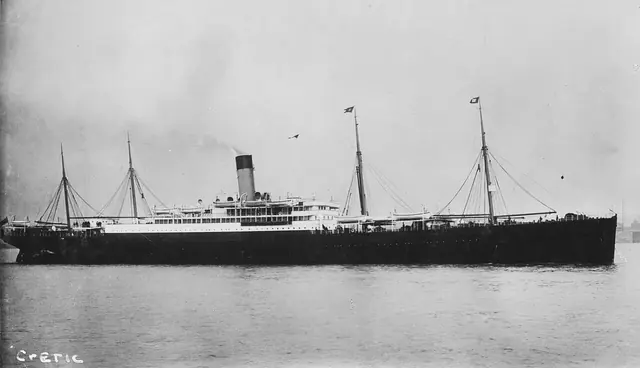
RMS Baltic was an ocean liner of the White Star Line that sailed between 1904 and 1932. At 23,876 gross register tonnage, she was the world's largest ship until May 1906. She was the third of a quartet of ships, all measuring over 20,000 gross register tons, dubbed The Big Four, the other three being RMS Celtic, RMS Cedric, and RMS Adriatic.
During her civilian career, Baltic served between Liverpool and New York. She was involved in a few minor incidents during her career. She distinguished herself especially in 1909 when she came to the aid of the RMS Republic and the SS Florida that had collided with each other. The Baltics rescue of all passengers drew attention to the important role that the new wireless telegraphy technology could play in ensuring safety at sea. In April 1912, the Baltic also picked up distress signals from the Titanic, but was too far away to intervene during the latter's sinking.
During World War I, the Baltic carried troops from 1915 to 1918. She survived a torpedoing attempt and transported the first American troops to Europe, with General John J. Pershing on board. After the war, the ship continued its commercial service during the 1920s. Having become too old, she was finally retired in 1932 and scrapped the following year, ending a career of 28 years' service
Text: Wikipedia — RMS Baltic, CC BY-SA 4.0
Follow Our Communities
Ship Facts & Specifications