White Star Line
RMS Celtic
Early 20th century transatlantic liner
History
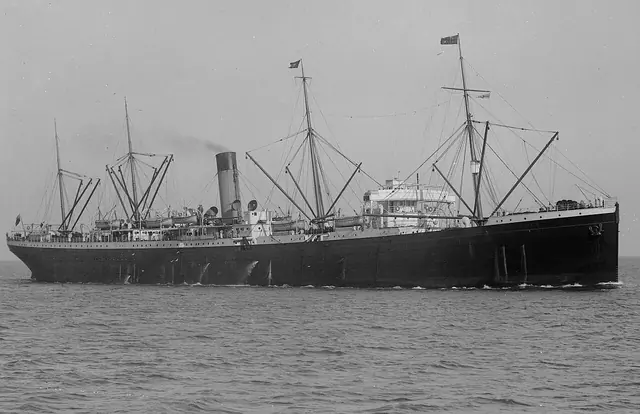
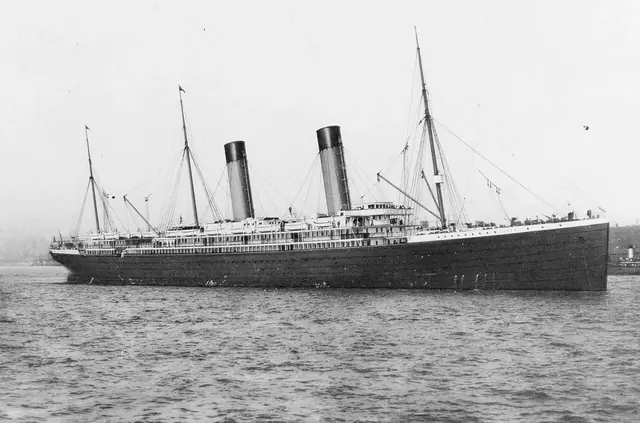
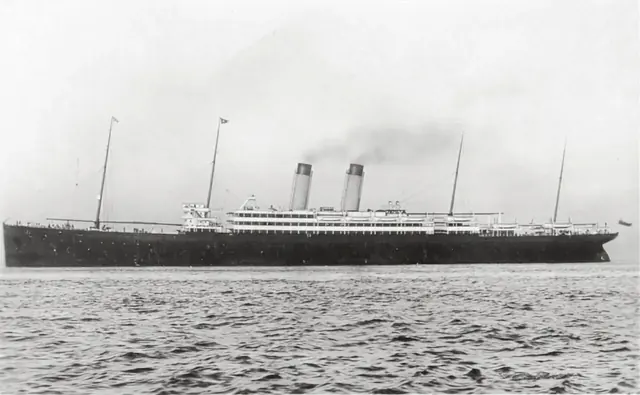
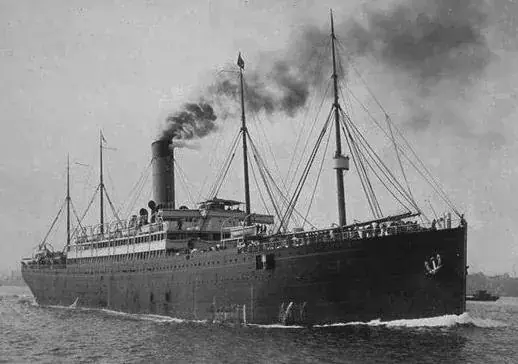
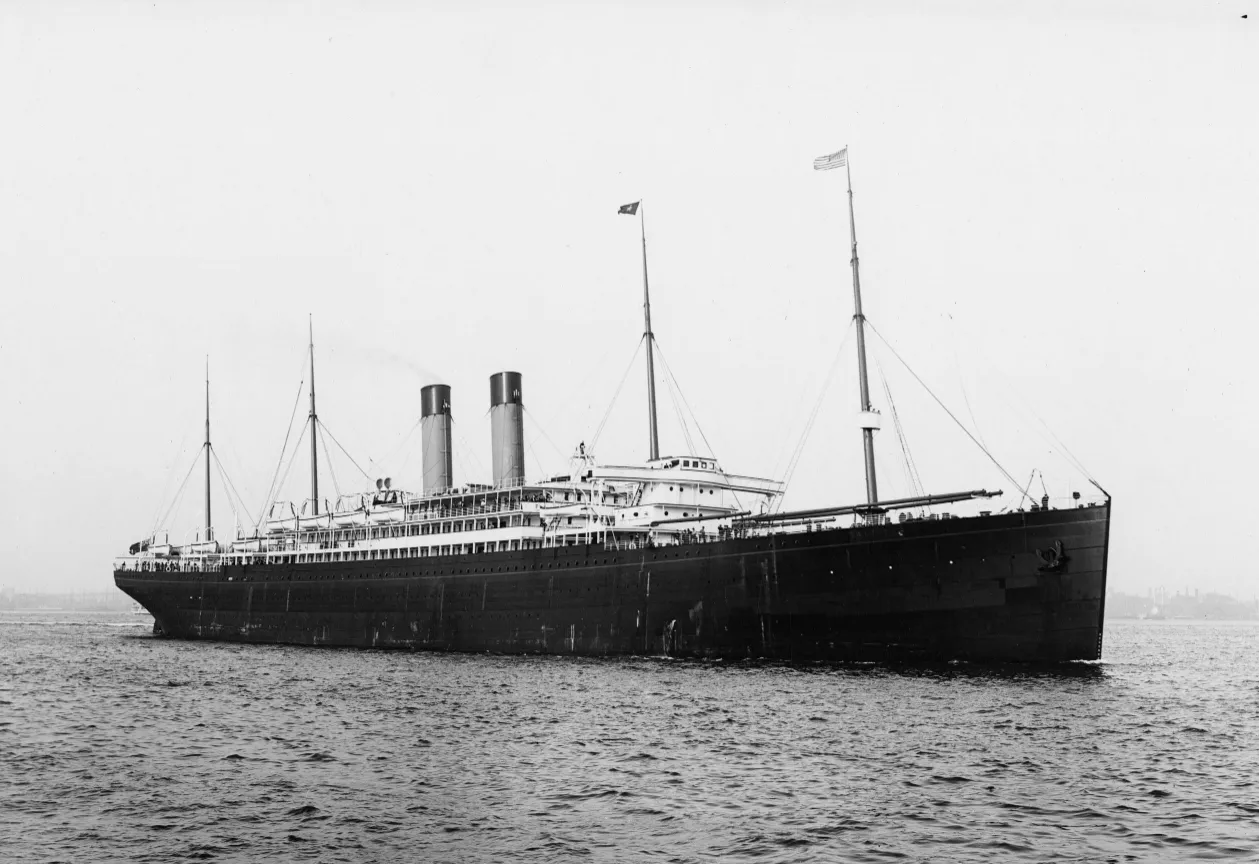
RMS Celtic was an ocean liner owned by the White Star Line. The first ship larger than SS Great Eastern by gross register tonnage (it was also 9 ft longer), Celtic was the first of a quartet of ships over 20,000 tons, the dubbed The Big Four. She was the last ship ordered by Thomas Henry Ismay before his death in 1899. The second liner of her name (the first was completed in 1872), she was put into service in 1901. Her large size (she could carry nearly 3,000 passengers) and her low but economical speed (16 knots, while her contemporary liners then sailed on average at 19-20 kn) inaugurated a new company policy aiming to favour size, luxury and comfort, to the detriment of speed.
Assigned to the route between Liverpool and New York, Celtic experimented with a mode of slower than usual rotations, but was also used for a long cruise in 1902 which met with some success. In 1907, she was briefly used for the American Line on the Southampton route, before White Star set up its own fast service on this route. From Liverpool, the Big Four-class ships provided a slow but more economical service, both for the company and for the passengers. When World War I broke out, Celtic was first converted to an auxiliary cruiser. The Admiralty quickly concluded, however, that such a ship was not ideal for these functions, and transformed her into a troop transport. She struck a mine in February 1917, then was torpedoed in March 1918, but she was successfully repaired both times.
From 1920, and after having undergone a refit reducing her passenger capacity, she resumed her transatlantic service, which was only disturbed by a few collisions. However, this commercial career ceased on 10 December 1928, when, in stormy seas as she approached Cobh, Celtic grounded on the rocks. All the passengers were rescued, but the company considered it futile to attempt to salvage the liner so Celtic was scrapped on the spot. The shipbreaking operation lasted until 1933.
Text: Wikipedia — RMS Celtic, CC BY-SA 4.0
Follow Our Communities
Ship Facts & Specifications