North German Lloyd
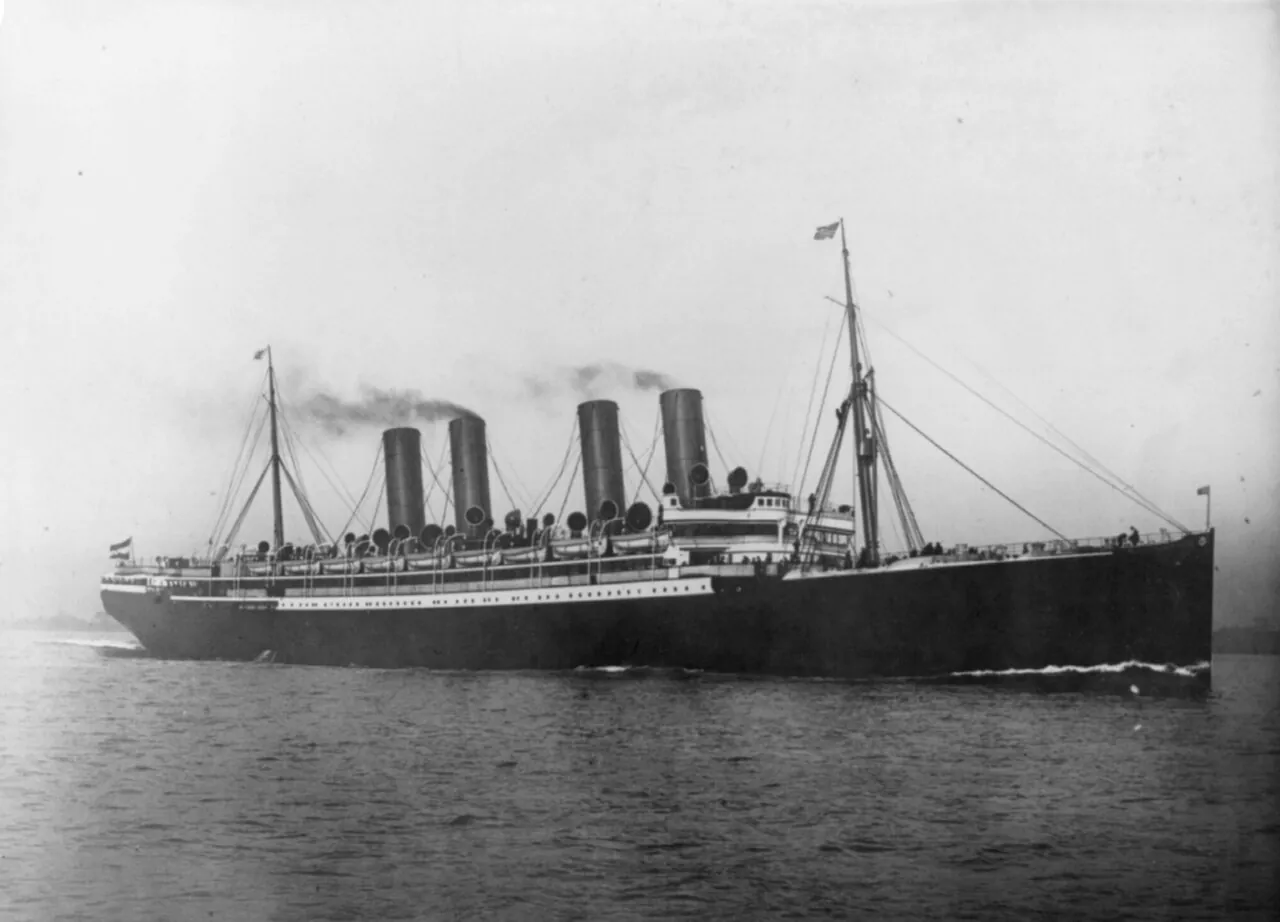
SS Kaiser Wilhelm der Grosse
German ocean liner
History
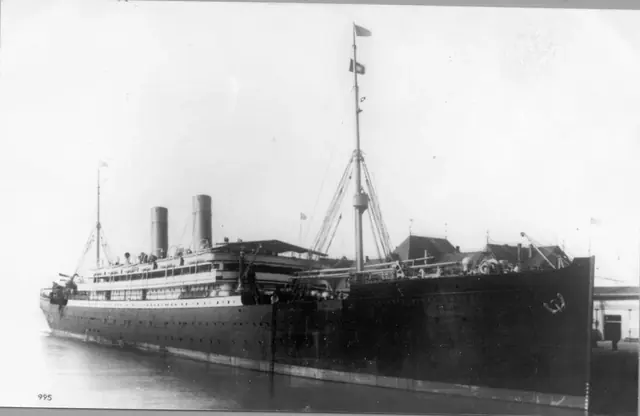
Kaiser Wilhelm der Grosse ("Emperor William the Great"; German spelling Kaiser Wilhelm der Große) was a German transatlantic ocean liner in service from 1897 to 1914, when she was scuttled in battle. She was the largest ship in the world for a time, and held the Blue Riband for the fastest passenger liner crossing of the Atlantic Ocean, until SS Deutschland from Hamburg America Line entered service in 1900.
The liner was built in Stettin for Norddeutscher Lloyd, and entered service in 1897. She was the first liner to be a Four funnel liner and is considered to be the first "super liner". The first of four sister ships built between 1903 and 1907 for Norddeutscher Lloyd (the others being SS Kronprinz Wilhelm, SS Kaiser Wilhelm II and SS Kronprinzessin Cecilie), she marked the beginning of a change in the way maritime supremacy was demonstrated in Europe at the beginning of the 20th century.
The ship began a new era in ocean travel and the novelty of having four funnels was quickly associated with size, strength, speed, and luxury. Quickly established on the Atlantic, she gained the Blue Riband for Germany, the unofficial prize for the fastest trip from Europe to America which had been previously dominated by the British.
In 1900, she was damaged in a massive and lethal multi-ship fire in the port of New York. She was also in a collision in the French port of Cherbourg in 1906. With the advent of her sister ships, she was modified to an all-third-class ship to take advantage of the lucrative immigrant market travelling to the United States.
Text: Wikipedia — SS Kaiser Wilhelm der Grosse, CC BY-SA 4.0
Further Reading
Ship Facts & Specifications